
If you manage a fleet of vehicles, you know that a “check engine” light is never just a warning; it’s a potential hit to your bottom line. Imagine it’s 8:30 AM on a Tuesday. One of your delivery vans is stuck on the shoulder of I-45, hazard lights blinking, while a high-value customer is calling…
We’ve all been there. You’re driving down I-10 or navigating the stop-and-go rhythm of Westheimer Road when you hear it: that high-pitched, metallic screech every time you touch the brake pedal. It’s more than just an annoying noise; it’s a tiny siren letting you know that your vehicle’s most critical safety system needs attention. At…

If your car pulls to one side, your steering wheel sits crooked, or your tires are wearing unevenly, you may need a wheel alignment. A bad alignment can affect handling, shorten tire life, and make daily driving feel less stable than it should. Brake, Tire & Alignment Services can help correct the issue before it…
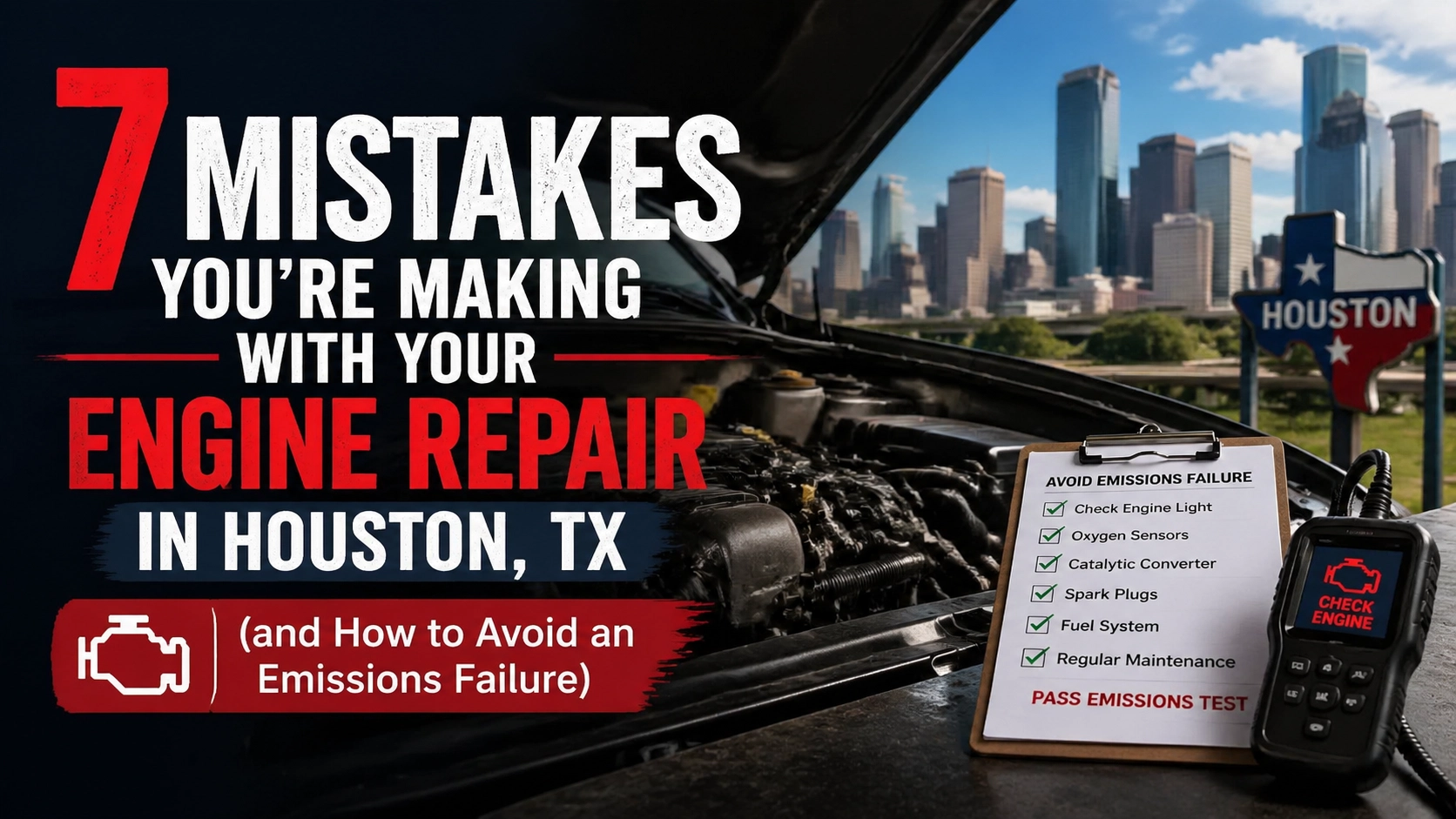
We’ve all been there: sitting in the inspection line, watching the technician hook up your car, and feeling that slight knot of anxiety in your stomach. In Houston, where we spend half our lives in traffic on the 610 Loop or I-10, our cars aren’t just transportation; they are our lifelines. When that “Check Engine”…
Quick Answer: Why Do Cars Overheat? Most cars overheat for one of five reasons: low coolant, a stuck thermostat, radiator blockage or leaks, water pump failure, or a cooling fan problem. If the temperature gauge climbs into the red or you see steam, stop driving immediately and continuing to drive while overheating can cause severe…

You’ve arrived home after a long day of navigating Houston traffic, you pull into the driveway, turn the key (or push the button), and step out. But as you glance back through the window, something isn’t right. The dashboard is still glowing. Maybe it’s the Check Engine light, the ABS icon, or the entire instrument…
Quick Answer: Why Do Cars Overheat? Most cars overheat for one of five reasons: low coolant, a stuck thermostat, radiator blockage or leaks, water pump failure, or a cooling fan problem. If the temperature gauge climbs into the red or you see steam, stop driving immediately and continuing to drive while overheating can cause severe…
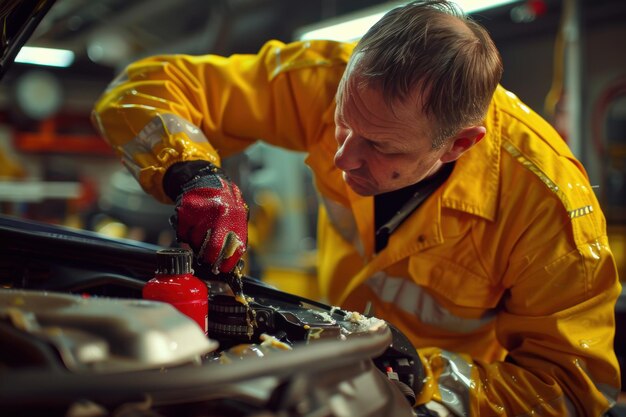
Living in Houston means embracing the heat. With temperatures often soaring above 90 degrees Fahrenheit, a reliable car air conditioning (A/C) system is not just a luxury—it’s a necessity. Whether you’re commuting to work, running errands, or heading out on a road trip, staying cool is essential for comfort and safety. This guide will walk…
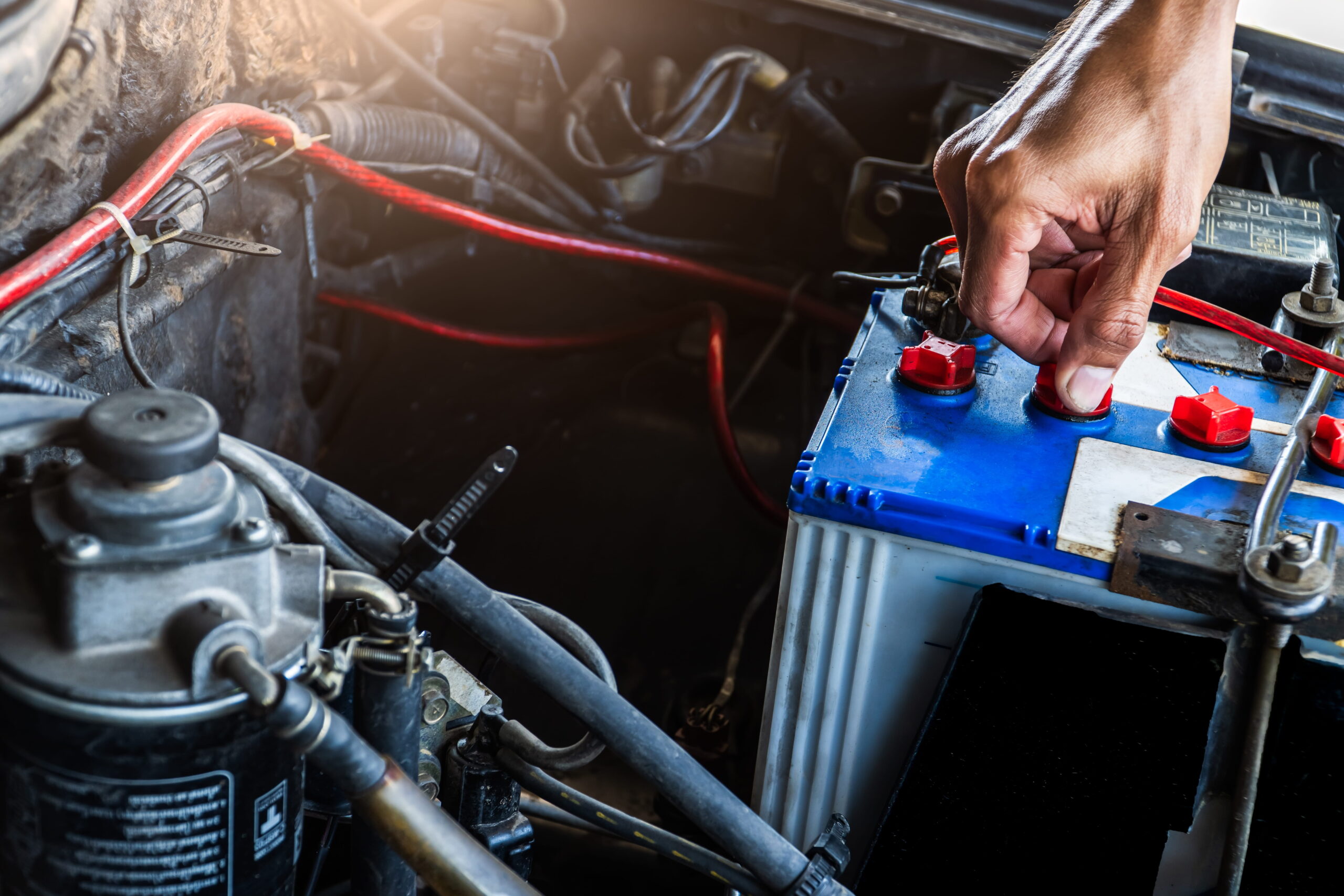
When your car won’t start or begins acting unpredictably, it’s easy to assume the problem is the battery. In reality, starting and electrical issues often come down to one of three critical components: the battery, the alternator, or the starter. Because these systems work together, their symptoms frequently overlap, which can lead to unnecessary part…
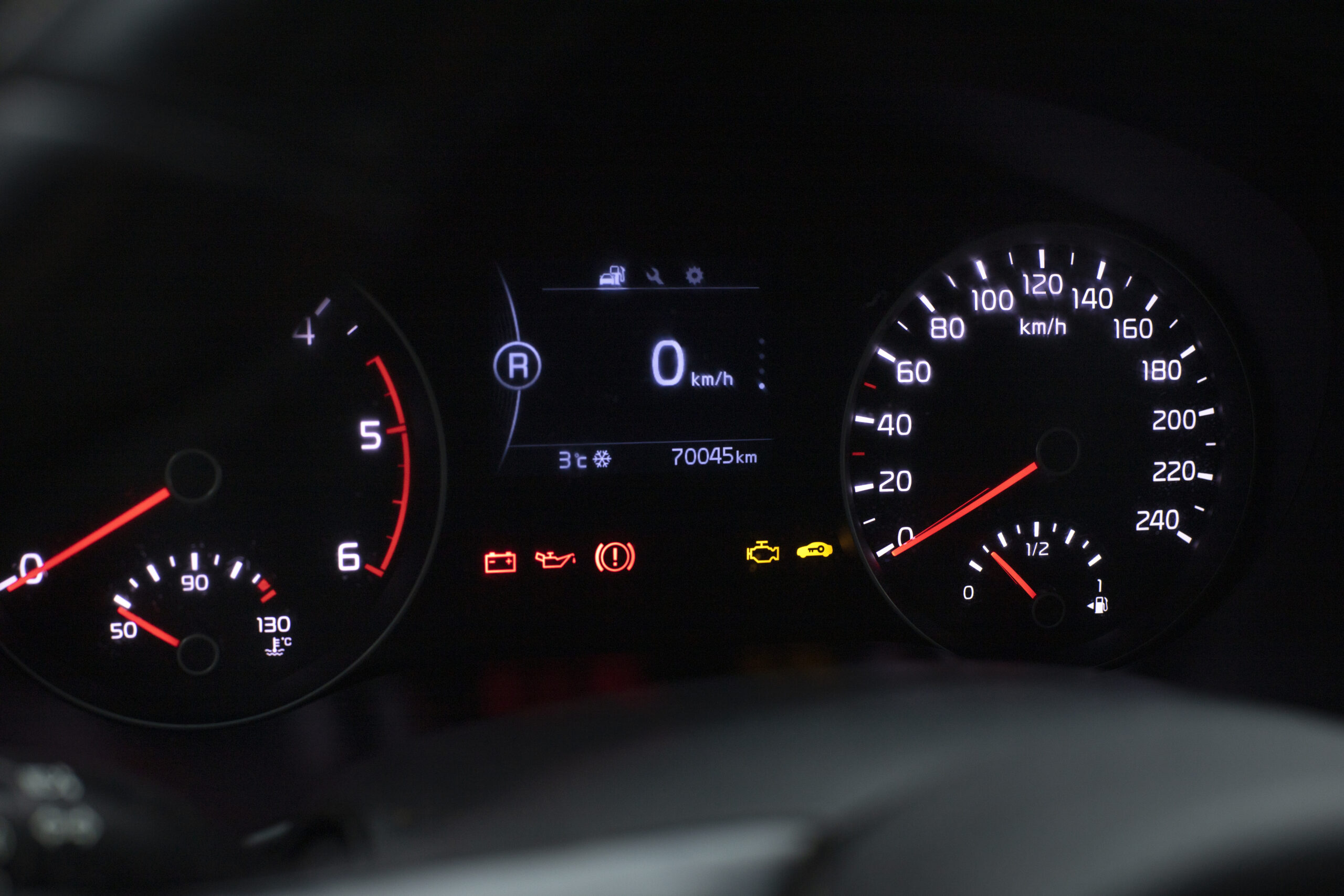
Few things make a driver’s heart skip a beat quite like the sudden illumination of the check engine light. Whether you’re commuting through Houston traffic or heading out on a weekend adventure, seeing that small, glowing icon can spark worry and confusion. While it can indicate anything from a minor issue to a more serious…
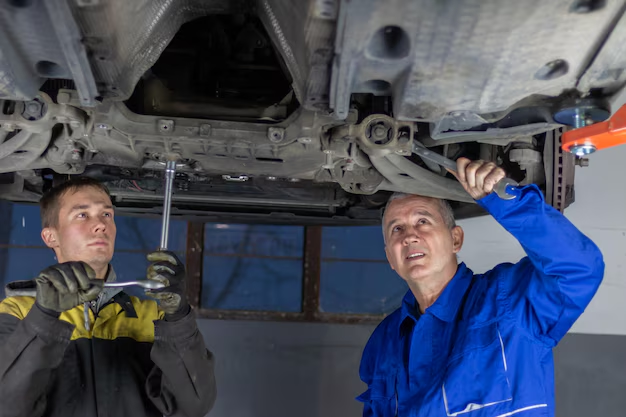
When you think about your vehicle’s performance, you might imagine horsepower, torque, or even the sleekness of the exterior design. However, one of the most critical components that determines how your vehicle feels on the road is its suspension system. Whether you’re a daily commuter in Houston, Texas, or an off-road enthusiast, understanding your vehicle’s…
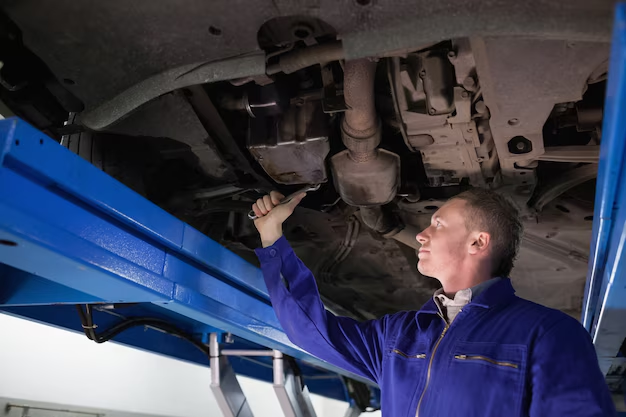
Owning a high-mileage car can be both a badge of honor and a source of concern. These seasoned vehicles often hold sentimental value and have proven their reliability over the years. However, like any hardworking companion, they need extra care to continue performing at their best. In this guide, we’ll cover a comprehensive preventive maintenance…