
young-employee-checks-broken-automobile

Why Is My Car Overheating?

Quick Answer: Why Do Cars Overheat?

Most cars overheat for one of five reasons: low coolant, a stuck thermostat, radiator blockage or leaks, water pump failure, or a cooling fan problem. If the temperature gauge climbs into the red or you see steam, stop driving immediately and continuing to drive while overheating can cause severe engine damage in minutes.

In Houston’s high heat and stop-and-go traffic, cooling problems can escalate quickly. A professional cooling system inspection and repair helps pinpoint the cause before it turns into a major repair.

Fast Diagnosis: Overheating Symptom vs Likely Cause

Use these patterns to understand what the symptoms usually point to (diagnostics are still required to confirm):

– Overheats only at idle or in traffic: cooling fan, fan relay, sensor, or airflow issue

– Overheats at highway speeds: low coolant, restricted radiator flow, water pump, or circulation restriction

– Overheats quickly after startup: thermostat stuck closed or low coolant

– Heater blows cold while engine is hot: low coolant or trapped air preventing circulation

– Temperature spikes and drops repeatedly: air pockets, thermostat issues, or inconsistent coolant flow

What to Do Immediately If Your Car Starts Overheating

If you notice the gauge rising above normal or a warning light, do the following:

– Turn off the A/C to reduce load on the engine

– Turn the heater on high (it can pull heat away from the engine)

– Pull over safely as soon as possible

– Shut the engine off and let it cool down

– Do not open the radiator cap while the engine is hot

If you’ve had to pull over due to overheating, assume the vehicle needs inspection before it’s driven again.

How Does a Car’s Cooling System Work?

Your cooling system regulates engine temperature by circulating coolant through the engine and radiator. Coolant absorbs heat in the engine, then releases it through the radiator as air passes through the fins. When any component fails, heat builds rapidly, and temperatures exceed safe limits.

Key components include:

– Radiator

– Thermostat

– Water pump

– Cooling fans

– Hoses, clamps, and reservoir/expansion tank

What Causes a Car to Overheat While Driving?

Overheating at highway speeds usually points to a coolant flow problem or a circulation failure. This is often more urgent than an idle-only issue because the engine is under load.

Common causes include:

– Low coolant due to an external leak (hose, radiator, water pump, radiator cap)

– Radiator blockage (internal buildup) reducing heat transfer

– Water pump failure preventing proper circulation

– Collapsed or restricted hose limiting coolant flow

If the car overheats while driving, avoid pushing it to “make it home.” The risk of engine damage increases fast.

Why Does My Car Overheat Only When Idling?

If the car runs hot in traffic but cools down when you’re moving, airflow is often the missing ingredient. At speed, airflow cools the radiator naturally. At idle, the fans must pull air through the radiator to keep temperatures stable.

Common culprits include:

– Cooling fan motor failure

– Faulty fan relay or fuse

– Temperature sensor or control issue

– Electrical faults preventing the fan from engaging at the right time

Can Low Coolant Cause Overheating?

Yes. Low coolant is one of the most common causes of overheating. When coolant level drops, the system cannot absorb and transfer heat effectively, so temperatures climb steadily and may spike under load.

Signs of low coolant include:

– Sweet smell under the hood

– Visible coolant puddles or residue

– Heater blowing cold air while the engine is hot

– Repeated need to top off coolant

Can a Bad Thermostat Cause Overheating?

Yes. The thermostat controls when coolant flows from the engine to the radiator. If it sticks closed, coolant can’t circulate properly and the engine can overheat quickly, sometimes shortly after startup.

Common thermostat-related symptoms:

– Rapid temperature rise after driving a short distance

– Heater performance becomes inconsistent

– Temperature swings (up and down) depending on flow and trapped air

How Can a Radiator Cause Overheating?

Radiators dissipate engine heat. If the radiator is clogged internally, leaking, or blocked externally, it can’t release heat efficiently. This often shows up as overheating during longer drives, under load, or during hot weather.

Radiator-related indicators may include:

– Rust-colored coolant or heavy buildup in the overflow tank

– Visible leaks or wetness around the radiator

– Overheating that worsens over time rather than immediately

What Are Signs of a Failing Water Pump?

The water pump circulates coolant. If it fails, coolant movement becomes weak or stops entirely, and the engine will overheat quickly.

Common signs:

– Coolant leak near the front of the engine

– Whining or grinding noises (bearing issues)

– Overheating that escalates rapidly once it starts

What Happens If the Cooling Fans Don’t Work?

Cooling fans are critical at idle and low speeds. If they don’t engage, the car may run fine on the highway but overheat in traffic.

This can be caused by:

– Fan motor failure

– Relay/fuse failure

– Sensor or wiring issues

– Control module issues in some vehicles

How Is an Overheating Problem Diagnosed?

Because symptoms overlap, proper testing is the fastest way to confirm the cause and avoid replacing parts that aren’t failing. A diagnostic process typically includes pressure testing the system for leaks, verifying thermostat operation, checking radiator flow, confirming fan engagement, and evaluating water pump performance.

When overheating repeats or warning lights are present, complete auto repair and diagnostics helps identify the exact failure point so repairs are targeted and reliable.

Why Overheating Problems Can Be Worse in Houston

High ambient temperatures increase baseline engine heat and reduce the margin for error. In Houston, long idle times, heavy traffic, and extended A/C use can push a weak cooling system over the edge. If your vehicle is older, has higher mileage, or has a history of coolant loss, proactive inspection matters even more in hot months.

When Should You Schedule Service?

Schedule an inspection as soon as possible if:

– The temperature gauge rises above normal more than once

– You see steam, smell coolant, or notice leaks

– Coolant level keeps dropping

– The heater blows cold while the engine is hot

– The car overheats in traffic or during longer drives

Frequently Asked Questions About Car Overheating

Is it safe to drive a short distance if my car is overheating?

No. Even short distances can cause permanent engine damage if the gauge is in the red or the warning light is on.

How long does it take for an engine to cool down?

Plan on at least 30 minutes. Never open a hot radiator cap. Allow the system to cool before checking coolant.

Why does my heater blow cold air when my car overheats?

This often indicates low coolant or trapped air preventing proper circulation through the heater core.

Can Houston heat make my car overheat faster?

Yes. High ambient temperatures and heavy traffic increase stress on the cooling system and reduce cooling efficiency.

How much does it cost to fix an overheating car?

It depends on the cause. A leak or thermostat repair is typically far less expensive than engine damage from continued overheating.

Will diagnostics tell me exactly what’s wrong?

Diagnostics can pinpoint leaks, fan operation issues, thermostat behavior, and cooling performance so repairs target the real cause.

Cooling System Repair in Houston

If your vehicle is overheating, the safest move is a cooling system inspection to confirm the cause before engine damage occurs. Total Auto Services works with drivers across Houston to diagnose overheating issues accurately and restore reliable performance.

Schedule your cooling system inspection today to get clear answers and prevent a small issue from turning into a major repair.

Why Is My Car Overheating?

Quick Answer: Why Do Cars Overheat?

Most cars overheat for one of five reasons: low coolant, a stuck thermostat, radiator blockage or leaks, water pump failure, or a cooling fan problem. If the temperature gauge climbs into the red or you see steam, stop driving immediately and continuing to drive while overheating can cause severe engine damage in minutes.

In Houston’s high heat and stop-and-go traffic, cooling problems can escalate quickly. A professional cooling system inspection and repair helps pinpoint the cause before it turns into a major repair.

Fast Diagnosis: Overheating Symptom vs Likely Cause

Use these patterns to understand what the symptoms usually point to (diagnostics are still required to confirm):

– Overheats only at idle or in traffic: cooling fan, fan relay, sensor, or airflow issue

– Overheats at highway speeds: low coolant, restricted radiator flow, water pump, or circulation restriction

– Overheats quickly after startup: thermostat stuck closed or low coolant

– Heater blows cold while engine is hot: low coolant or trapped air preventing circulation

– Temperature spikes and drops repeatedly: air pockets, thermostat issues, or inconsistent coolant flow

What to Do Immediately If Your Car Starts Overheating

If you notice the gauge rising above normal or a warning light, do the following:

– Turn off the A/C to reduce load on the engine

– Turn the heater on high (it can pull heat away from the engine)

– Pull over safely as soon as possible

– Shut the engine off and let it cool down

– Do not open the radiator cap while the engine is hot

If you’ve had to pull over due to overheating, assume the vehicle needs inspection before it’s driven again.

How Does a Car’s Cooling System Work?

Your cooling system regulates engine temperature by circulating coolant through the engine and radiator. Coolant absorbs heat in the engine, then releases it through the radiator as air passes through the fins. When any component fails, heat builds rapidly, and temperatures exceed safe limits.

Key components include:

– Radiator

– Thermostat

– Water pump

– Cooling fans

– Hoses, clamps, and reservoir/expansion tank

What Causes a Car to Overheat While Driving?

Overheating at highway speeds usually points to a coolant flow problem or a circulation failure. This is often more urgent than an idle-only issue because the engine is under load.

Common causes include:

– Low coolant due to an external leak (hose, radiator, water pump, radiator cap)

– Radiator blockage (internal buildup) reducing heat transfer

– Water pump failure preventing proper circulation

– Collapsed or restricted hose limiting coolant flow

If the car overheats while driving, avoid pushing it to “make it home.” The risk of engine damage increases fast.

Why Does My Car Overheat Only When Idling?

If the car runs hot in traffic but cools down when you’re moving, airflow is often the missing ingredient. At speed, airflow cools the radiator naturally. At idle, the fans must pull air through the radiator to keep temperatures stable.

Common culprits include:

– Cooling fan motor failure

– Faulty fan relay or fuse

– Temperature sensor or control issue

– Electrical faults preventing the fan from engaging at the right time

Can Low Coolant Cause Overheating?

Yes. Low coolant is one of the most common causes of overheating. When coolant level drops, the system cannot absorb and transfer heat effectively, so temperatures climb steadily and may spike under load.

Signs of low coolant include:

– Sweet smell under the hood

– Visible coolant puddles or residue

– Heater blowing cold air while the engine is hot

– Repeated need to top off coolant

Can a Bad Thermostat Cause Overheating?

Yes. The thermostat controls when coolant flows from the engine to the radiator. If it sticks closed, coolant can’t circulate properly and the engine can overheat quickly, sometimes shortly after startup.

Common thermostat-related symptoms:

– Rapid temperature rise after driving a short distance

– Heater performance becomes inconsistent

– Temperature swings (up and down) depending on flow and trapped air

How Can a Radiator Cause Overheating?

Radiators dissipate engine heat. If the radiator is clogged internally, leaking, or blocked externally, it can’t release heat efficiently. This often shows up as overheating during longer drives, under load, or during hot weather.

Radiator-related indicators may include:

– Rust-colored coolant or heavy buildup in the overflow tank

– Visible leaks or wetness around the radiator

– Overheating that worsens over time rather than immediately

What Are Signs of a Failing Water Pump?

The water pump circulates coolant. If it fails, coolant movement becomes weak or stops entirely, and the engine will overheat quickly.

Common signs:

– Coolant leak near the front of the engine

– Whining or grinding noises (bearing issues)

– Overheating that escalates rapidly once it starts

What Happens If the Cooling Fans Don’t Work?

Cooling fans are critical at idle and low speeds. If they don’t engage, the car may run fine on the highway but overheat in traffic.

This can be caused by:

– Fan motor failure

– Relay/fuse failure

– Sensor or wiring issues

– Control module issues in some vehicles

How Is an Overheating Problem Diagnosed?

Because symptoms overlap, proper testing is the fastest way to confirm the cause and avoid replacing parts that aren’t failing. A diagnostic process typically includes pressure testing the system for leaks, verifying thermostat operation, checking radiator flow, confirming fan engagement, and evaluating water pump performance.

When overheating repeats or warning lights are present, complete auto repair and diagnostics helps identify the exact failure point so repairs are targeted and reliable.

Why Overheating Problems Can Be Worse in Houston

High ambient temperatures increase baseline engine heat and reduce the margin for error. In Houston, long idle times, heavy traffic, and extended A/C use can push a weak cooling system over the edge. If your vehicle is older, has higher mileage, or has a history of coolant loss, proactive inspection matters even more in hot months.

When Should You Schedule Service?

Schedule an inspection as soon as possible if:

– The temperature gauge rises above normal more than once

– You see steam, smell coolant, or notice leaks

– Coolant level keeps dropping

– The heater blows cold while the engine is hot

– The car overheats in traffic or during longer drives

Frequently Asked Questions About Car Overheating

Is it safe to drive a short distance if my car is overheating?

No. Even short distances can cause permanent engine damage if the gauge is in the red or the warning light is on.

How long does it take for an engine to cool down?

Plan on at least 30 minutes. Never open a hot radiator cap. Allow the system to cool before checking coolant.

Why does my heater blow cold air when my car overheats?

This often indicates low coolant or trapped air preventing proper circulation through the heater core.

Can Houston heat make my car overheat faster?

Yes. High ambient temperatures and heavy traffic increase stress on the cooling system and reduce cooling efficiency.

How much does it cost to fix an overheating car?

It depends on the cause. A leak or thermostat repair is typically far less expensive than engine damage from continued overheating.

Will diagnostics tell me exactly what’s wrong?

Diagnostics can pinpoint leaks, fan operation issues, thermostat behavior, and cooling performance so repairs target the real cause.

Cooling System Repair in Houston

If your vehicle is overheating, the safest move is a cooling system inspection to confirm the cause before engine damage occurs. Total Auto Services works with drivers across Houston to diagnose overheating issues accurately and restore reliable performance.

Schedule your cooling system inspection today to get clear answers and prevent a small issue from turning into a major repair.

mechanic performing engiune maintenance

Car A/C Service in Houston Heat: Stay Cool All Year Round

Living in Houston means embracing the heat. With temperatures often soaring above 90 degrees Fahrenheit, a reliable car air conditioning (A/C) system is not just a luxury—it’s a necessity. Whether you’re commuting to work, running errands, or heading out on a road trip, staying cool is essential for comfort and safety. This guide will walk you through everything you need to know about car A/C service in Houston. From understanding the basics of your A/C system to knowing when to seek professional help, we’ve got you covered.


Understanding Your Car’s A/C System


Before diving into maintenance tips and services, it’s helpful to understand how your car’s A/C system works. Knowing the intricacies of this system can not only help in identifying issues early but also in maintaining it effectively.


Components of the A/C System


Your car’s A/C system comprises several key components, each playing a crucial role in keeping you cool. The compressor, condenser, evaporator, and refrigerant work together to cool the air. The compressor pumps refrigerant through the system, while the condenser releases heat from the car. The evaporator then cools the air before it blows into the cabin.


Imagine driving down the bustling streets of downtown Houston on a scorching day. Without a functioning A/C system, your commute could turn into an uncomfortable experience. That’s why understanding these components is vital. Picture the compressor as the heart of the system, circulating refrigerant like blood, while the condenser acts like the lungs, expelling heat from your vehicle. A well-maintained A/C system ensures you avoid the sticky, sweaty drive home.


How A/C Systems Cool Your Car


The process begins with the compressor, which compresses the refrigerant gas. This gas then travels to the condenser, where it loses heat and turns into a liquid. The liquid refrigerant moves to the evaporator, where it absorbs heat and cools the air. Finally, the fan blows this cool air into the car’s interior.


This cooling cycle is a marvel of engineering, transforming the unbearable Houston heat into a tolerable journey. However, this system can only work efficiently if regularly serviced. A quick stop at an auto service center for an A/C check-up can save you from an unexpected breakdown in the middle of a Texan summer. 


Signs Your A/C Needs Repair


Knowing when your car’s A/C system needs attention can save you from discomfort and costly repairs. Identifying these signs early can prevent minor issues from escalating into major problems that could cost hundreds or even thousands of dollars.


Weak Airflow


If the airflow from your vents is weaker than usual, it might be due to a failing blower motor, a clogged air filter, or duct problems. Weak airflow means your system isn’t efficiently cooling your car. 


Imagine trying to cool off with a fan that barely blows air. It’s frustrating, right? Regularly replacing your cabin air filter can help avoid this scenario. This simple preventive measure maintains optimal airflow and ensures your A/C system operates at peak efficiency.


Warm Air from Vents


When your A/C blows warm air, it indicates issues like low refrigerant levels, a malfunctioning compressor, or electrical problems. Warm air is a clear sign that you need to seek professional car A/C repair in Houston.


Think about a time when you’ve been stuck in traffic, and instead of a refreshing breeze, warm air hits your face. This is not only uncomfortable but can also signal a significant problem with your A/C system. Addressing these issues promptly can prevent more serious damage. 


Unusual Noises


Strange sounds like grinding or squealing when the A/C is running can point to a failing compressor or worn-out belts. Address these noises promptly to prevent further damage.


Ignoring these sounds is akin to ignoring a cry for help. If you hear anything unusual, it’s best to consult with a professional. 


Regular Maintenance for Optimal Performance


Routine maintenance is key to ensuring that your A/C system functions efficiently throughout the year. By staying proactive, you not only extend the life of your system but also save money in the long run.


Schedule Regular A/C Check-Ups


Having your A/C system checked at least once a year by professionals is crucial. During these check-ups, technicians can identify potential issues before they become major problems.


Consider scheduling your A/C check-up at the start of spring, before the Houston heat becomes unbearable. This preventive approach can save you from the discomfort of an unexpected breakdown. 


Keep the Cabin Filter Clean


A clogged cabin filter can restrict airflow and reduce cooling efficiency. Replace your cabin filter regularly to maintain optimal airflow and air quality.


Inspect Belts and Hoses


Belts and hoses are essential for the proper operation of your A/C system. Check for wear and tear, and replace them if necessary to avoid unexpected breakdowns.


Regularly inspecting these components ensures your system runs smoothly. 


Seasonal Tips for A/C Efficiency


Houston’s climate can be harsh, but with a few seasonal adjustments, you can keep your A/C running smoothly. Adapting your maintenance routine to the changing seasons ensures your system is always ready to perform.


Summer Preparation


Before summer hits, ensure your A/C system is in top shape. Consider an A/C recharge in Houston to replenish refrigerant levels and maximize cooling efficiency.


Winter Care


Even in winter, occasionally running your A/C can prevent seals from drying out. This practice helps retain refrigerant and keeps the system ready for warmer months.


Running your A/C during winter might seem counterintuitive, but it’s a simple strategy to maintain your system’s health. This practice prevents the seals from drying out, reducing the risk of refrigerant leaks.


When to Consider Professional A/C Service


While some maintenance tasks are DIY-friendly, certain issues require professional expertise. Knowing when to seek help can save you time, money, and frustration.


Refrigerant Leaks


Refrigerant leaks can severely impact your A/C’s performance. If you suspect a leak, it’s time to consult a professional for an accurate diagnosis and repair.


Compressor Replacement


The compressor is the heart of your A/C system. If it’s failing, seeking an AC compressor replacement is crucial for restoring cooling efficiency.


Replacing a compressor is a significant investment, typically costing between $500 and $2,000, but it’s essential for a functioning A/C system.


Electrical Issues


Electrical problems can be complex and are best left to professionals. Faulty wiring or failing sensors require expert attention to ensure safety and functionality.


Choosing the Right Auto A/C Service in Houston


With numerous options available, selecting the right service provider is essential for quality repairs and maintenance. Making an informed choice ensures your A/C system receives the best care possible.


Reputation and Reviews


Look for auto A/C service providers with a strong reputation and positive customer reviews. Word-of-mouth recommendations can also guide you to reliable shops.


A reputable service provider is key to ensuring quality repairs. Take the time to read reviews and ask for recommendations from friends or family.


Expertise and Certifications


Choose a service center with certified technicians who have experience in handling various A/C issues. Expertise ensures your A/C system is in capable hands.


Certified technicians have the training and knowledge to handle complex A/C issues. Their expertise can make all the difference in the quality of repairs.


Convenience and Customer Service


Consider the convenience of location and the quality of customer service. A shop that values customer satisfaction will make the repair process smooth and stress-free.


Customer service is a crucial factor in choosing a service provider. A shop that prioritizes customer satisfaction ensures a positive experience from start to finish.


Houston’s heat can be relentless, but with proper care and maintenance, your car’s A/C system will keep you cool and comfortable year-round. Don’t wait for a breakdown to seek help. Contact Total Auto Services in Houston for expert car A/C repair and maintenance. 

Battery, Alternator, or Starter? How to Tell What’s Failing

When your car won’t start or begins acting unpredictably, it’s easy to assume the problem is the battery. In reality, starting and electrical issues often come down to one of three critical components: the battery, the alternator, or the starter. Because these systems work together, their symptoms frequently overlap, which can lead to unnecessary part replacements and repeated breakdowns.

Accurate testing through a complete auto repair and diagnostics inspection helps identify the real problem quickly and prevents unnecessary repairs.

What Does a Car Battery Do?

The battery supplies the initial electrical power needed to start your vehicle and powers electronics when the engine is off.

Common Signs of a Failing Battery

  • Clicking sounds when turning the key
  • Slow or weak engine cranking
  • Dim headlights or dashboard lights
  • Frequent jump starts
  • Battery older than three to five years

Why Car Batteries Fail

Battery failure is commonly caused by age, extreme heat (especially in Texas), leaving lights or accessories on, or parasitic electrical drain. Many of these issues can be identified early through routine vehicle maintenance and oil change services.

What Does the Alternator Do?

Once your vehicle is running, the alternator recharges the battery and powers electrical systems while the engine is operating. Without a properly functioning alternator, the battery will quickly drain—even if it’s brand new.

Signs of Alternator Problems (H3)

  • Battery warning light on the dashboard
  • Headlights dimming while driving
  • Flickering electronics
  • Engine stalling
  • Burning rubber or electrical smell

If your vehicle starts but shuts off shortly after, or if multiple electrical components begin failing at once, the alternator is often the issue and should be addressed through electrical repair and programming.

What Does the Starter Do?

The starter is responsible for physically turning the engine over when you turn the key or press the start button. Unlike the battery and alternator, the starter is only used during the starting process.

Symptoms of a Failing Starter

  • Single loud click with no engine crank
  • No response when turning the key
  • Intermittent starting issues
  • Grinding noises during startup

If the battery and alternator are functioning properly but the engine will not crank, the starter is often the underlying cause.

Battery vs Alternator vs Starter: How the Symptoms Compare

  • Frequent jump starts usually point to a failing battery
  • A vehicle that dies while driving often indicates alternator failure
  • Clicking with no engine crank may indicate a starter or battery issue
  • Flickering electrical systems are commonly tied to alternator problems
  • No response at all when turning the key often points to starter failure

Because symptoms can overlap, confirming the issue through complete auto repair and diagnostics is the most reliable way to avoid replacing the wrong part.

Why Professional Diagnostics Matter

Modern vehicles rely on complex electrical systems. Guessing can lead to replacing parts that are not broken, repeated breakdowns, and higher long-term repair costs. A professional diagnostic inspection evaluates battery health, alternator charging output, starter engagement, and electrical connections to pinpoint the real issue.

When Should You Schedule Service?

You should schedule an inspection if:

  • Your vehicle struggles to start more than once
  • Warning lights appear on the dashboard
  • Electrical systems behave inconsistently
  • The problem continues after replacing the battery

Addressing these signs early can help prevent unexpected breakdowns.

Get Reliable Electrical Diagnostics in Houston

If you’re experiencing starting issues or electrical problems, professional diagnostics can quickly determine whether the battery, alternator, or starter is failing. Total Auto Services provides advanced electrical diagnostics and repairs using professional-grade equipment and experienced technicians.

Contact Total Auto Services today to schedule your inspection and get clear answers before a small issue turns into a major repair.

mechanic-using-laptop

ADAS Calibration: Keeping Driver-Assist Systems Accurate

Modern vehicles rely heavily on technology to enhance safety and driving comfort. Among the most important innovations is Advanced Driver-Assistance Systems (ADAS), which help prevent accidents and make driving more efficient. However, to keep these systems functioning correctly, regular ADAS calibration is essential. 

This guide explains what ADAS calibration is, why it matters, and when drivers in Houston should schedule it.

mechanic-using-laptop

Understanding ADAS and Its Components

What Is ADAS?

ADAS, or Advanced Driver-Assistance Systems, refers to electronic systems that assist drivers with key functions such as braking, steering, and parking. Using sensors, radar, and cameras, these systems monitor the environment and provide alerts or automated actions to reduce the risk of accidents.

Common ADAS Features

Some of the most common ADAS technologies include:

  • Lane departure warning and lane keep assist
  • Adaptive cruise control
  • Blind spot monitoring
  • Parking assistance
  • Automatic emergency braking

Each of these systems depends on precise sensor and camera alignment. Even slight misalignments can affect accuracy, which is why proper calibration is critical.

Why ADAS Calibration Is Essential

  1. Ensures Driver and Passenger Safety
    Calibration ensures that your ADAS sensors and cameras interpret the road correctly, allowing them to provide accurate alerts and automatic responses. Miscalibrated systems may fail to detect vehicles, pedestrians, or lane markers, increasing the risk of accidents.
  2. Maintains Vehicle Performance
    Accurate calibration preserves system performance and response time. Events like minor collisions, windshield replacements, suspension repairs, or wheel alignments can shift sensors and cameras slightly out of position, making recalibration necessary. Costs typically range from $150 to $600, depending on the system’s complexity.
  3. Complies with Manufacturer Specifications
    Automakers require specific calibration standards to maintain warranty coverage and ensure safety compliance. Routine calibration verifies that your vehicle meets these standards and operates exactly as the manufacturer intended.

When You Should Schedule ADAS Calibration

After Windshield Replacement:
Whenever your windshield is replaced, the cameras mounted on it must be recalibrated. Even a small shift can affect their field of view and accuracy.

After an Accident or Minor Collision:
Impacts—even minor ones—can knock sensors or cameras out of alignment. Having your ADAS recalibrated afterward ensures all safety systems continue functioning properly.

After Suspension or Wheel Alignment Work:
Suspension changes and wheel alignments can alter vehicle height and angles, impacting how sensors read the road. Calibration after these services helps restore proper performance.

As Part of Regular Maintenance:
In Houston’s variable climate, regular inspections help maintain ADAS accuracy. Temperature changes and humidity can affect sensor performance over time, making preventive calibration a smart choice.

The ADAS Calibration Process

  1. Initial Assessment
    Technicians start by inspecting sensors, cameras, and related components for damage or misalignment. Diagnostic tools identify which systems require recalibration.
  2. Static and Dynamic Calibration
  • Static calibration is performed in a controlled indoor environment using specialized targets and equipment.
  • Dynamic calibration involves driving the vehicle under specific conditions so the sensors can learn and adapt in real time.

Both processes are performed according to the manufacturer’s specifications for your vehicle model.

  1. Post-Calibration Testing
    After calibration, the technician performs a series of tests to confirm that every ADAS feature functions accurately and safely before returning the vehicle to you.

Choosing the Right ADAS Calibration Provider in Houston

Expert Technicians
Calibration requires precision and advanced training. At Total Auto Services, our technicians are highly experienced in ADAS diagnostics and use factory-approved procedures for every make and model.

Advanced Tools and Technology
We use the latest diagnostic and calibration equipment to deliver accurate results. Our investment in technology ensures that every calibration meets manufacturer standards.

Trusted Reputation
With over 40 years of service in Houston, Total Auto Services has earned a reputation for quality and reliability. Our work is backed by a 24-month warranty on parts and labor through TechNet, ensuring complete confidence in your repairs.

Common ADAS Calibration Issues and Their Fixes

  • Lane Assist Malfunction: Often caused by camera misalignment; recalibration restores accuracy.
  • Camera Errors: Dirt, debris, or windshield replacement can interfere with calibration. Cleaning and recalibrating corrects these issues.
  • Sensor Malfunctions: Damaged or disconnected sensors may require recalibration or replacement to restore functionality.

Our team at Total Auto Services can diagnose these issues quickly and perform precise recalibration to get your systems back on track.

Keep Your ADAS Reliable with Preventive Care

To maintain your ADAS systems between calibrations:

  • Clean cameras and sensors regularly to prevent dirt buildup.
  • Check for software updates from your vehicle’s manufacturer.
  • Schedule inspections at least once a year or after any collision or windshield replacement.

These small steps can greatly improve the longevity and reliability of your vehicle’s safety systems.

Drive with Confidence — Schedule Your ADAS Calibration Today

At Total Auto Services, we take your safety seriously. Our certified technicians use advanced calibration tools and diagnostic systems to ensure your ADAS performs with accuracy and reliability. Whether you’ve had a windshield replaced, a minor collision, or a suspension repair, we’ll make sure your vehicle’s safety systems are precisely tuned for Houston’s driving conditions.

Schedule your ADAS calibration appointment with Total Auto Services today and drive knowing your vehicle is operating safely and correctly.

Book your appointment online or call us today to get started.

break repairng

Brake Service Timeline: Pads, Rotors, and Fluid

Brakes are one of the most important safety systems on your vehicle. They give you the ability to stop quickly, avoid accidents, and maintain control in emergencies. Yet many drivers don’t realize that brakes aren’t designed to last forever. Every part of the system—pads, rotors, and brake fluid—has its own service timeline. Neglecting these components doesn’t just compromise safety; it can also lead to more expensive repairs down the road.

If you’ve ever wondered when to replace your brake pads, resurface rotors, or flush your brake fluid, this guide will help you understand the basics. We’ll walk through what each part does, the signs of wear, and how often you should schedule service. By the end, you’ll know exactly how to keep your brakes operating at their best.

Why Brake Maintenance Matters

Brakes endure a lot of stress every time you drive. Stop-and-go traffic in Houston, highway commutes, or off-road trails all demand different things from your braking system. Over time, heat, friction, and fluid breakdown weaken performance. The good news is that with regular inspections and timely service, you can prevent sudden failures and keep your vehicle safe.

Staying on top of brake repair in Houston also helps:

  • Maintain reliable stopping power in any condition.
  • Avoid costly damage to rotors and calipers caused by worn pads.
  • Extend the lifespan of the entire braking system.
  • Keep your car performing the way it was designed.

Brake Pads: Your First Line of Defense

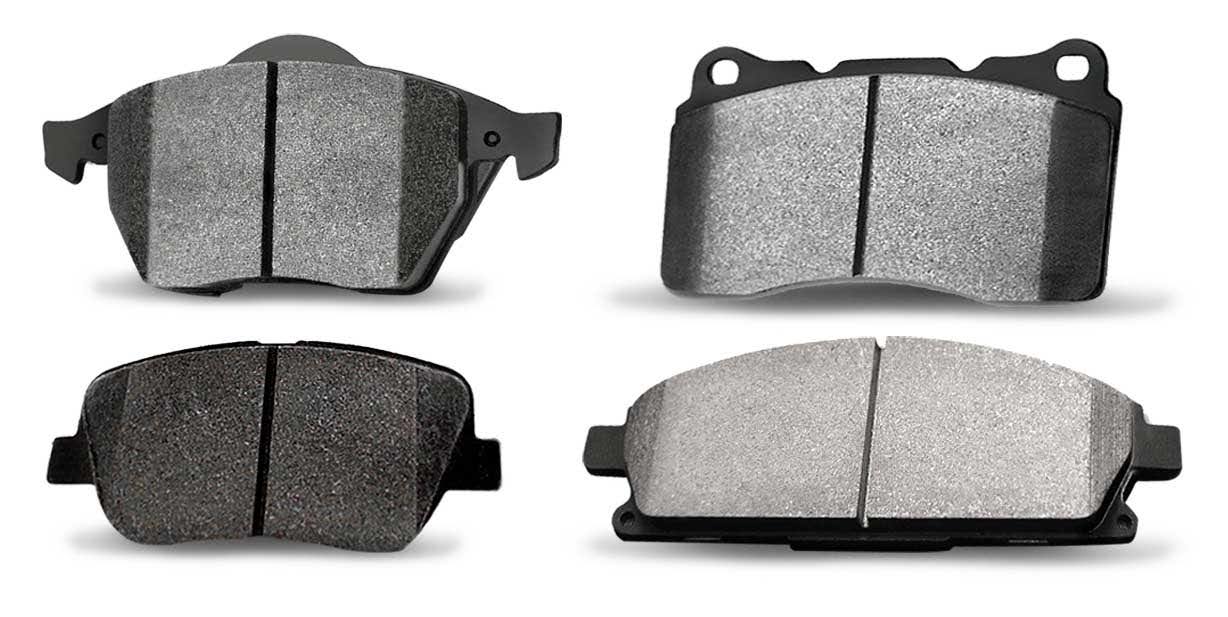
Brake pads are the components that press against your rotors to slow the car. Every time you hit the brake pedal, it creates friction and wears down slightly.

When to Replace Brake Pads

On average, brake pads last between 25,000 and 70,000 miles, depending on your driving style, vehicle type, and conditions. City driving with frequent stops usually wears them out faster than highway driving.

Signs Your Brake Pads Need Attention

  • A squealing or screeching sound when braking.
  • Grinding noises, which indicate the pad is worn through and metal is contacting the rotor.
  • A brake pedal that feels less responsive.
  • Visible thinning of the pad material when inspected.

Ignoring worn brake pads risks damaging the rotors, which are more expensive to repair or replace. Scheduling timely brake pad replacement is one of the simplest and most cost-effective ways to keep your car safe.

Rotors: The Heavy Lifters of Braking

Rotors, or brake discs, work hand in hand with pads. Every time the pads clamp down, heat and friction are generated on the rotor’s surface. While rotors are made of tough metal, they aren’t immune to wear.

Resurfacing vs. Replacing Rotors

In some cases, rotors can be resurfaced, which means removing a thin layer of metal to restore a smooth, even surface. This process helps eliminate grooves or uneven wear. However, rotors can only be resurfaced if they remain above the manufacturer’s minimum thickness.

When rotors become too thin, warped, or cracked, replacement is necessary. Continuing to drive on bad rotors reduces stopping power and creates vibrations when braking.

Service Timeline for Rotors

Rotors typically last between 50,000 and 70,000 miles, though heavy driving, towing, or mountain driving can shorten their lifespan. At every brake inspection, a technician will measure the rotor thickness to determine if resurfacing or replacement is needed.

Warning Signs of Rotor Trouble

  • A steering wheel that vibrates or shakes when braking.
  • Longer stopping distances.
  • Pulsation in the brake pedal.
  • Deep grooves visible on the rotor surface.

Rotor resurfacing or replacement should always be done in pairs (both front or both rear) to maintain even braking.

Brake Fluid: The Hidden Hero

Unlike pads and rotors, brake fluid doesn’t create friction, but it’s equally vital. Brake fluid transfers the force from your foot on the pedal to the brake calipers that squeeze the pads. Without fresh, clean fluid, your brakes won’t deliver the stopping power you expect.

Why Brake Fluid Breaks Down

Brake fluid is hygroscopic, meaning it absorbs moisture over time. Even a small amount of water contamination reduces its boiling point, leading to brake fade or spongy pedals under hard braking. In Houston’s humid climate, moisture buildup can happen faster than in dry areas.

When to Flush Brake Fluid

Most manufacturers recommend a brake fluid flush every 2 to 3 years, or about every 30,000 miles. Regular testing during inspections can confirm whether your fluid has absorbed too much moisture.

Symptoms of Bad Brake Fluid

  • A soft or spongy brake pedal.
  • Reduced braking performance, especially during long drives or downhill braking.
  • Brake warning light illuminated on the dashboard.
  • Dark or dirty-looking brake fluid in the reservoir.

A professional brake fluid flush restores the system with clean fluid, removes air bubbles, and protects internal components from corrosion.

Putting It All Together: The Brake Service Timeline

To keep things simple, here’s a breakdown of the typical service schedule for each brake component:

  • Brake Pad Replacement: Every 25,000–70,000 miles, or sooner if symptoms appear.
  • Rotor Resurfacing/Replacement: Every 50,000–70,000 miles, depending on thickness and condition.
  • Brake Fluid Flush: Every 2–3 years, or approximately every 30,000 miles.

Keep in mind these are general guidelines. Driving conditions, habits, and vehicle type all influence how often you’ll need service. That’s why regular inspections are critical. A certified mechanic can give you a clear picture of your brakes’ condition and recommend the right service at the right time.

The Cost of Skipping Brake Service

Delaying brake maintenance can lead to a chain reaction of problems. For example, worn pads grind into the rotors, causing deep grooves that require replacement instead of resurfacing. Old brake fluid can corrode lines and calipers, resulting in expensive repairs. And faulty rotors reduce stopping power, putting you and others at risk.

By comparison, timely brake pad replacement, rotor resurfacing, and fluid flushes are relatively affordable. Think of them as an investment in safety and peace of mind.

brake pads

Trust Total Auto Services for Brake Repair in Houston

At Total Auto Services, we know how important reliable brakes are for every driver. Whether you’re navigating Houston traffic, hauling equipment, or taking your truck off-road, your braking system needs to be ready for anything.

Our certified technicians provide comprehensive brake inspections, brake pad replacement, rotor resurfacing, and brake fluid flushes using high-quality parts. Every service is backed by our 24-month TechNet warranty on parts and labor, giving you confidence long after you leave our shop. Plus, with financing options through Synchrony and Snap Finance, you can get the repairs you need without delay.

Don’t wait until you hear grinding or feel vibrations to get your brakes checked. Schedule your brake repair in Houston today with Total Auto Services and keep every stop smooth, safe, and reliable.