close-up-fuel-level-gauge-vehicle (1)

Check Engine Light? What It Really Means for Your Car

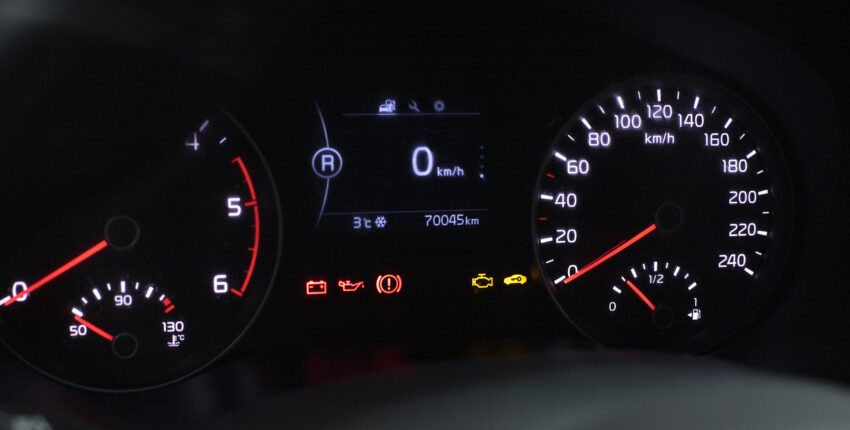
Few things make a driver’s heart skip a beat quite like the sudden illumination of the check engine light. Whether you’re commuting through Houston traffic or heading out on a weekend adventure, seeing that small, glowing icon can spark worry and confusion. While it can indicate anything from a minor issue to a more serious problem, understanding what your check engine light means—and how to respond—can help you protect your vehicle, save money, and prevent unexpected breakdowns.

At Total Auto Services, we’ve spent over 40 years helping Houston drivers diagnose and repair engine and vehicle issues with confidence. Our certified technicians combine experience, advanced diagnostic tools, and genuine care to ensure your car performs safely and efficiently. Here’s a comprehensive look at what the check engine light really signifies and the best steps to take when it comes on.

Understanding the Check Engine Light

The check engine light is part of your car’s onboard diagnostics (OBD) system, a network of sensors and computers that monitor key systems including the engine, transmission, and emissions. When the vehicle detects an issue—whether it’s a small sensor malfunction or a critical engine fault—the light illuminates to alert you.

Modern cars are incredibly complex machines, and the check engine light acts as an early warning system. Ignoring it can lead to more expensive repairs, reduced fuel efficiency, and in some cases, damage to vital components. Conversely, addressing the light promptly can prevent minor issues from escalating.

Common Causes of the Check Engine Light

While the check engine light can be triggered by a wide range of issues, several problems are more common than others. Understanding these causes can help you respond appropriately.

1. Loose or Faulty Gas Cap

Surprisingly, one of the most frequent causes is a loose or damaged gas cap. A properly sealed gas cap maintains pressure in your fuel system and prevents harmful emissions from escaping. If it’s loose or cracked, the car may trigger the check engine light. This is often an easy fix—simply tightening or replacing the gas cap may resolve the issue.

2. Oxygen Sensor Malfunction

Your vehicle’s oxygen sensor measures the level of unburned oxygen in the exhaust and helps regulate the air-to-fuel ratio for optimal performance. A failing oxygen sensor can lead to decreased fuel efficiency, higher emissions, and potential long-term damage to your catalytic converter. Replacing a faulty sensor is critical to maintaining engine health.

3. Catalytic Converter Problems

The catalytic converter reduces harmful emissions from your vehicle. If it becomes clogged or damaged, it can cause poor fuel economy, increased emissions, and a triggered check engine light. Ignoring catalytic converter issues can result in expensive repairs and may prevent your car from passing state emissions testing.

4. Spark Plug or Ignition Coil Issues

Spark plugs and ignition coils ignite the air/fuel mixture in your engine. Worn spark plugs or failing ignition coils can cause engine misfires, rough idling, and performance problems. These issues often lead to a check engine light and require timely repair to prevent more serious engine damage.

5. Mass Airflow Sensor Failure

The mass airflow sensor calculates the correct amount of fuel your engine needs based on incoming air. A faulty sensor can result in poor acceleration, stalling, and reduced fuel efficiency. Replacing a malfunctioning sensor ensures your car continues to run smoothly.

6. Exhaust Gas Recirculation (EGR) Valve Malfunction

The EGR valve recirculates a portion of exhaust gases back into the engine to reduce emissions. When it fails, you may notice rough idling, poor acceleration, or increased emissions. Professional evaluation and repair are necessary to restore proper engine function.

What to Do When the Check Engine Light Comes On

Seeing your check engine light illuminate doesn’t mean immediate panic, but it does signal that action is needed. Here’s how to handle it effectively:

  1. Stay Calm and Assess the Situation: A steady light typically indicates a moderate issue, while a flashing light may signal a serious problem requiring immediate attention.

  2. Check for Obvious Issues: Start with simple checks, such as ensuring your gas cap is tight and undamaged. Often, minor fixes can resolve the warning.

  3. Consult Your Owner’s Manual: Your vehicle manual provides guidance on check engine light behavior and what different patterns or flashes mean for your specific car model.

  4. Use a Diagnostic Scanner: OBD-II scanners can read the trouble codes causing the light to come on. Many auto parts stores offer free scans, which can help you understand the issue before visiting a professional.

  5. Visit a Certified Mechanic: If the light persists or your vehicle shows performance issues, a certified auto repair shop like Total Auto Services is your best option. Our skilled technicians use advanced diagnostics to identify the problem quickly and recommend the most effective repair.

Preventing Check Engine Light Surprises

Regular maintenance is key to minimizing check engine light alerts. At Total Auto Services, we provide a full spectrum of preventive services:

  • Routine oil changes and fluid checks

  • Brake service and tire rotations

  • Multi-point inspections to catch issues early

  • Engine and transmission diagnostics and repairs

  • Electrical system checks and programming

By adhering to your vehicle’s maintenance schedule and addressing small problems promptly, you can prevent costly repairs and keep your car running at peak performance.

Why Houston Drivers Trust Total Auto Services

Since 1984, Total Auto Services has been a trusted name for auto repair and custom upgrades in Houston. Our shop combines decades of experience with the latest tools and technology to provide dependable service for every vehicle we work on.

  • Certified Technicians: Our repairs are backed by a 24-month warranty on parts and labor through TechNet Automotive Service.

  • Comprehensive Auto Care: From engine repair and suspension upgrades to advanced electrical diagnostics, we handle every repair under one roof.

  • Fleet-Approved Service: Trusted by top fleet companies like Enterprise and Element for reliable, timely maintenance.

  • Flexible Financing: With options through Koalifi and DigniFi, you can get the work your car needs without financial stress.

Whether it’s a minor sensor replacement, a catalytic converter repair, or a full engine rebuild, we provide transparent service and long-lasting results.

Your check engine light is more than a warning—it’s an opportunity to protect your vehicle and your investment. When it comes on, don’t wait or guess. Trust the certified experts at Total Auto Services to diagnose the problem, perform expert repairs, and get you back on the road safely and efficiently.

Take control of your vehicle’s health today. Schedule an appointment online or call Total Auto Services in Houston to ensure your car runs reliably for years to come.
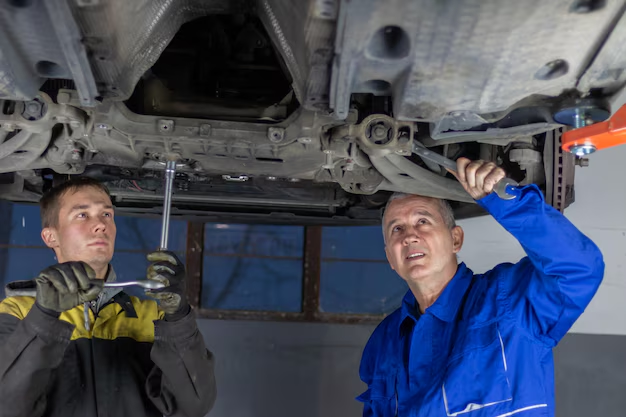

senior-experienced-mechanic-teaches-his-colleague-how-repair-car

Suspension Basics: Comfort, Control, and Safety

When you think about your vehicle’s performance, you might imagine horsepower, torque, or even the sleekness of the exterior design. However, one of the most critical components that determines how your vehicle feels on the road is its suspension system. Whether you’re a daily commuter in Houston, Texas, or an off-road enthusiast, understanding your vehicle’s suspension can greatly enhance your driving experience. 

In this post, we’ll dive into the basics of suspension systems, focusing on comfort, control, and safety. By the end of this guide, you’ll have a solid understanding of how your vehicle’s suspension works and why it’s important to keep it in top shape.

Understanding the Basics of Vehicle Suspension

The suspension system is a complex network of components designed to provide a smooth ride, maintain vehicle control, and ensure safety. Let’s explore how it all comes together.

What is Vehicle Suspension?

At its core, the suspension system connects the vehicle to its wheels, allowing for motion and flexibility. It includes parts like springs, shocks, and struts, which work together to absorb the impact from the road. This system ensures that your tires remain in contact with the ground, providing traction and stability.

Imagine driving through the bustling streets of Houston without a suspension system. Every bump, pothole, or uneven surface would jolt through your car, making for an uncomfortable and unsafe ride. The suspension system acts as a buffer, smoothing out these imperfections for a more pleasant driving experience.

Key Components: Shocks and Struts

Shocks and struts are integral to your vehicle’s suspension. Shocks, or shock absorbers, control the bounce of your car by damping the vibrations caused by the road. Struts, on the other hand, perform a dual function. They provide structural support to the suspension and aid in absorbing shocks.

Consider a scenario where you frequently navigate Houston’s busy roads. Over time, the constant interaction with road imperfections can lead to wear and tear on your shocks and struts. When these components wear out, you might notice a bumpy ride or poor handling. Regular maintenance and repair of these parts are crucial. 

How Suspension Affects Comfort

Comfort is one of the primary reasons drivers care about their vehicle’s suspension. A well-functioning system can transform a rough ride into a smooth journey.

Ride Quality on Different Terrains

Whether you’re cruising down a highway or navigating the potholes of Houston, your suspension system plays a vital role in ride quality. It cushions the ride, reducing the impact of bumps and uneven surfaces. For those who enjoy off-roading, a robust suspension system is essential to tackling rough terrains without compromising comfort.

Imagine taking a road trip through the rugged terrain of the Texas Hill Country. Without a reliable suspension system, the constant jolts and vibrations could turn a scenic drive into a jarring experience. An upgraded suspension system tailored for off-road adventures can provide the necessary comfort and control, keeping your ride smooth and enjoyable.

Seasonal Considerations for Suspension

Different seasons can affect your vehicle’s suspension. For instance, during the hot Houston summers, the heat can cause wear and tear on rubber components. Conversely, colder temperatures can make these parts brittle. It’s important to regularly check your suspension to ensure it adapts well to seasonal changes.

To prevent seasonal wear, consider using high-quality, weather-resistant suspension parts and regularly inspect them for signs of damage. By addressing issues early, you can avoid costly repairs and ensure your vehicle remains comfortable regardless of the season.

Ensuring Vehicle Control Through Suspension

Control is crucial for safe driving. The suspension system significantly influences how your vehicle handles, especially during sudden maneuvers.

Handling and Stability

A well-tuned suspension system ensures that your vehicle remains stable, even during sharp turns or sudden stops. It helps distribute the weight evenly, preventing rollovers and enhancing control. This is particularly important in Houston, where traffic conditions can change rapidly.

The Role of Suspension in Steering

Steering is directly linked to your suspension system. When the suspension is in good condition, it allows for precise steering responses. If you notice any stiffness or difficulty in steering, it might be time for a suspension check.

Regular alignment checks and ensuring that the suspension components are in proper working order can prevent steering issues. Simple preventative maintenance can save you from expensive repairs and ensure your vehicle responds accurately to your steering inputs.

Suspension and Safety: Why It Matters

Safety is, without a doubt, the most critical aspect of your vehicle’s suspension. It plays a direct role in preventing accidents and ensuring the well-being of the driver and passengers.

Preventing Accidents with a Good Suspension

A functional suspension system helps maintain tire contact with the road, which is crucial for braking and maneuvering. In emergency situations, this can make the difference between a near-miss and a collision.

Imagine driving during a sudden downpour on Houston’s highways. A well-maintained suspension system ensures that your tires remain in optimal contact with the road, reducing the risk of hydroplaning and maintaining traction during braking. Investing in regular suspension checks can be a small price to pay for safety.

Signs Your Suspension Needs Attention

Be on the lookout for warning signs like uneven tire wear, drifting or pulling during turns, and excessive bounce after hitting a bump. These are indicators that your suspension might need repair. Addressing these issues promptly can prevent more severe problems down the line.

Ignoring these warning signs can lead to increased repair costs and compromised safety. Regular inspections and timely repairs can prevent more significant issues and ensure that your vehicle remains safe on the road.

The Importance of Regular Suspension Maintenance

Regular maintenance is key to keeping your suspension system in optimal condition. This involves checking and replacing worn-out components and ensuring alignment is correct.

Routine Checks and Repairs

Routine inspections by professionals, like those at Total Auto Services in Houston, can help identify potential issues before they escalate. They can provide expert advice on whether components need replacement or adjustment.

Benefits of Professional Service

While DIY maintenance is possible, professional services ensure that all aspects of your suspension are thoroughly checked. Professionals have the expertise and tools to diagnose and fix issues that might not be apparent to the average driver.

By choosing professional services, you ensure that every component is inspected with a trained eye, preventing potential failures that could lead to costly repairs or accidents. The peace of mind that comes from knowing your vehicle is in expert hands is invaluable.

Local Expertise: Why Choose Total Auto Services

Choosing a reliable service provider is essential for maintaining your vehicle’s suspension. Total Auto Services in Houston offers expert care and personalized service to keep your vehicle running smoothly.

Tailored Solutions for Houston Drivers

Houston’s unique driving conditions require tailored solutions. Whether it’s dealing with the city’s heat or navigating its bustling streets, Total Auto Services provides repairs and maintenance specifically designed for local drivers.

By understanding the specific challenges faced by Houston drivers, such as intense heat and frequent stop-and-go traffic, Total Auto Services can offer solutions that keep your vehicle performing at its best.

young-employee-checks-broken-automobile

Customer Satisfaction and Trust

At Total Auto Services, customer satisfaction is a priority. With a track record of trust and excellence, they ensure that your vehicle’s suspension needs are met with the highest standards of care.

Remember, a well-maintained suspension system not only enhances comfort and control but also ensures your safety on the road. If you’ve noticed any signs of suspension trouble, don’t hesitate to reach out to Total Auto Services in Houston for expert assistance. By keeping your suspension in top condition, you invest in the longevity and safety of your vehicle, ultimately enhancing every drive.

mechanic-repairing-with-spanner

Preventive Maintenance Checklist for High-Mileage Cars

Owning a high-mileage car can be both a badge of honor and a source of concern. These seasoned vehicles often hold sentimental value and have proven their reliability over the years. However, like any hardworking companion, they need extra care to continue performing at their best. In this guide, we’ll cover a comprehensive preventive maintenance checklist to keep your trusty high-mileage car running smoothly. Whether you’re cruising the highways of Houston or tackling off-road adventures, this checklist is your key to peace of mind on the road.

mechanic-repairing-with-spanner

Understanding the Needs of High-Mileage Cars

High-mileage cars have unique needs compared to their newer counterparts. With more wear and tear, they require diligent attention to detail. Here, we’ll explore what makes these vehicles different and why preventive maintenance is crucial.

The Aging Process of Cars

As cars age, various components start to wear out. Metal parts may corrode, rubber components can harden, and electronics can become less reliable. For instance, consider the exhaust system, which is prone to rust in older vehicles. This natural aging process means that regular check-ups are essential to prevent unexpected breakdowns. Addressing small issues early, such as replacing a worn-out muffler, can prevent larger, more costly repairs later.

Why Preventive Maintenance Matters

Preventive maintenance is not just about fixing problems; it’s about preventing them. For high-mileage cars, this means addressing potential issues before they become costly repairs. It’s like giving your car a regular health check to ensure it’s in top shape. For example, replacing an old serpentine belt before it fails can prevent engine overheating and power steering loss. By investing in routine maintenance, you save money in the long run by avoiding emergency repairs that can be significantly more expensive.

Engine Health: The Heart of Your Vehicle

The engine is the powerhouse of your car and requires special attention in high-mileage vehicles. Regular maintenance here can extend your car’s life significantly.

Regular Oil Changes

Oil is the lifeblood of your engine. For high-mileage cars, it’s crucial to stick to a strict oil change schedule. Consider using high-mileage oil, which contains additives to reduce leaks and consumption. Imagine a long road trip through the desert—without regular oil changes, your engine could overheat and fail, leaving you stranded. 

Timing Belt vs. Chain: What to Know

Understanding whether your car has a timing belt or chain is vital. Timing belts often need replacement every 60,000 to 100,000 miles, while chains are generally more durable but still require inspection. For example, if a timing belt snaps while you’re driving, it could lead to severe engine damage. Regularly checking and replacing the timing belt at the recommended intervals can prevent such catastrophic failures.

Transmission Checks: Keeping Things Smooth

The transmission plays a crucial role in your car’s performance. High-mileage vehicles can experience transmission issues, so regular checks are necessary.

Fluid Levels and Quality

Check and maintain the transmission fluid levels. Old or burnt fluid can lead to slipping gears and other transmission problems. Regular fluid changes can prevent these issues. Picture a scenario where you’re climbing a steep hill, and your transmission starts slipping—regular fluid maintenance could have prevented this.

Signs of Transmission Trouble

Pay attention to warning signs like delayed shifting, strange noises, or slipping gears. Early detection can save you from expensive repairs down the line. Regularly checking for these signs and addressing them promptly can extend the life of your transmission, preventing sudden failures that are both inconvenient and costly.

Suspension and Steering: A Comfortable Ride

High-mileage cars often face suspension and steering issues, affecting ride comfort and safety. Here’s how to keep them in check.

Inspecting Shocks and Struts

Worn shocks and struts can lead to a bumpy ride and poor handling. Regular inspections and timely replacements are crucial for maintaining ride quality. 

Steering System Maintenance

Ensure your steering system is responsive. Check for loose or worn components and address any issues promptly to prevent steering problems. For example, if your steering feels loose or makes noise, it could lead to dangerous driving conditions. Regularly checking and maintaining your steering system can prevent costly repairs and keep you safe on the road.

Electrical System: Lights and Power

The electrical system in high-mileage cars can become erratic. Regular checks can prevent inconvenient failures.

Battery Health and Cables

Inspect the battery for corrosion and ensure it’s holding a charge. Clean the terminals and check the cables for wear to prevent unexpected power loss. Picture yourself stuck in a parking lot with a dead battery—regular checks and maintenance can prevent this situation.

Lights and Fuses

Regularly check all lights, including headlights, brake lights, and indicators. Replace any blown fuses to keep your car visible and safe on the road. A simple fuse replacement, costing just a few dollars, can ensure your signals and lights are functioning, preventing accidents and traffic violations.

Tires and Brakes: Safety First

Tires and brakes are critical for safety, especially in high-mileage cars where wear is more pronounced.

Tire Tread and Pressure

Inspect tire tread depth and ensure proper inflation. Uneven wear could indicate alignment or suspension issues that need addressing. Imagine driving on a rainy day with worn-out tires—regular inspections and replacements can prevent accidents and ensure safety.

Brake System Inspection

Regularly check brake pads, rotors, and fluid. Promptly replace worn components to maintain effective braking performance. Consider the cost of new brake pads compared to the potential for an accident due to brake failure—maintenance is a worthwhile investment.

auto-repair-master-background-with-selective-focus-copy-space-ai-generated-human-enhanced

Seasonal Considerations: Adapting to Houston Weather

Houston’s climate can be challenging for high-mileage cars. Here are some seasonal tips to keep your vehicle ready for any weather.

Summer Heat

The Texas heat can be harsh on cars. Ensure your cooling system is in top condition to avoid overheating. Check coolant levels and inspect hoses for leaks. Overheating can lead to engine damage costing thousands, so regular checks and refills are essential.

Winter Preparedness

While Houston winters are mild, sudden cold snaps can occur. Check your antifreeze levels and ensure your battery is ready for cooler temperatures. Imagine a cold morning when your car won’t start due to a weak battery—preparing in advance can prevent this hassle and cost.

Maintaining a high-mileage car requires diligence and attention to detail, but the reward is a reliable vehicle that continues to serve you well. By following this preventive maintenance checklist, you can keep your car running smoothly and avoid unexpected breakdowns. 

If you’re in Houston and need professional assistance, reach out to Total Auto Services. Our experienced team is ready to help you with all your high-mileage service needs. Don’t wait for problems to arise—schedule your maintenance today and drive with confidence.