
Suspension Basics: Comfort, Control, and Safety
When you think about your vehicle’s performance, you might imagine horsepower, torque, or even the sleekness of the exterior design. However, one of the most critical components that determines how your vehicle feels on the road is its suspension system. Whether you’re a daily commuter in Houston, Texas, or an off-road enthusiast, understanding your vehicle’s suspension can greatly enhance your driving experience.
In this post, we’ll dive into the basics of suspension systems, focusing on comfort, control, and safety. By the end of this guide, you’ll have a solid understanding of how your vehicle’s suspension works and why it’s important to keep it in top shape.
Understanding the Basics of Vehicle Suspension
The suspension system is a complex network of components designed to provide a smooth ride, maintain vehicle control, and ensure safety. Let’s explore how it all comes together.
What is Vehicle Suspension?
At its core, the suspension system connects the vehicle to its wheels, allowing for motion and flexibility. It includes parts like springs, shocks, and struts, which work together to absorb the impact from the road. This system ensures that your tires remain in contact with the ground, providing traction and stability.
Imagine driving through the bustling streets of Houston without a suspension system. Every bump, pothole, or uneven surface would jolt through your car, making for an uncomfortable and unsafe ride. The suspension system acts as a buffer, smoothing out these imperfections for a more pleasant driving experience.
Key Components: Shocks and Struts
Shocks and struts are integral to your vehicle’s suspension. Shocks, or shock absorbers, control the bounce of your car by damping the vibrations caused by the road. Struts, on the other hand, perform a dual function. They provide structural support to the suspension and aid in absorbing shocks.
Consider a scenario where you frequently navigate Houston’s busy roads. Over time, the constant interaction with road imperfections can lead to wear and tear on your shocks and struts. When these components wear out, you might notice a bumpy ride or poor handling. Regular maintenance and repair of these parts are crucial.
How Suspension Affects Comfort
Comfort is one of the primary reasons drivers care about their vehicle’s suspension. A well-functioning system can transform a rough ride into a smooth journey.
Ride Quality on Different Terrains
Whether you’re cruising down a highway or navigating the potholes of Houston, your suspension system plays a vital role in ride quality. It cushions the ride, reducing the impact of bumps and uneven surfaces. For those who enjoy off-roading, a robust suspension system is essential to tackling rough terrains without compromising comfort.
Imagine taking a road trip through the rugged terrain of the Texas Hill Country. Without a reliable suspension system, the constant jolts and vibrations could turn a scenic drive into a jarring experience. An upgraded suspension system tailored for off-road adventures can provide the necessary comfort and control, keeping your ride smooth and enjoyable.
Seasonal Considerations for Suspension
Different seasons can affect your vehicle’s suspension. For instance, during the hot Houston summers, the heat can cause wear and tear on rubber components. Conversely, colder temperatures can make these parts brittle. It’s important to regularly check your suspension to ensure it adapts well to seasonal changes.
To prevent seasonal wear, consider using high-quality, weather-resistant suspension parts and regularly inspect them for signs of damage. By addressing issues early, you can avoid costly repairs and ensure your vehicle remains comfortable regardless of the season.
Ensuring Vehicle Control Through Suspension
Control is crucial for safe driving. The suspension system significantly influences how your vehicle handles, especially during sudden maneuvers.
Handling and Stability
A well-tuned suspension system ensures that your vehicle remains stable, even during sharp turns or sudden stops. It helps distribute the weight evenly, preventing rollovers and enhancing control. This is particularly important in Houston, where traffic conditions can change rapidly.
The Role of Suspension in Steering
Steering is directly linked to your suspension system. When the suspension is in good condition, it allows for precise steering responses. If you notice any stiffness or difficulty in steering, it might be time for a suspension check.
Regular alignment checks and ensuring that the suspension components are in proper working order can prevent steering issues. Simple preventative maintenance can save you from expensive repairs and ensure your vehicle responds accurately to your steering inputs.
Suspension and Safety: Why It Matters
Safety is, without a doubt, the most critical aspect of your vehicle’s suspension. It plays a direct role in preventing accidents and ensuring the well-being of the driver and passengers.
Preventing Accidents with a Good Suspension
A functional suspension system helps maintain tire contact with the road, which is crucial for braking and maneuvering. In emergency situations, this can make the difference between a near-miss and a collision.
Imagine driving during a sudden downpour on Houston’s highways. A well-maintained suspension system ensures that your tires remain in optimal contact with the road, reducing the risk of hydroplaning and maintaining traction during braking. Investing in regular suspension checks can be a small price to pay for safety.
Signs Your Suspension Needs Attention
Be on the lookout for warning signs like uneven tire wear, drifting or pulling during turns, and excessive bounce after hitting a bump. These are indicators that your suspension might need repair. Addressing these issues promptly can prevent more severe problems down the line.
Ignoring these warning signs can lead to increased repair costs and compromised safety. Regular inspections and timely repairs can prevent more significant issues and ensure that your vehicle remains safe on the road.
The Importance of Regular Suspension Maintenance
Regular maintenance is key to keeping your suspension system in optimal condition. This involves checking and replacing worn-out components and ensuring alignment is correct.
Routine Checks and Repairs
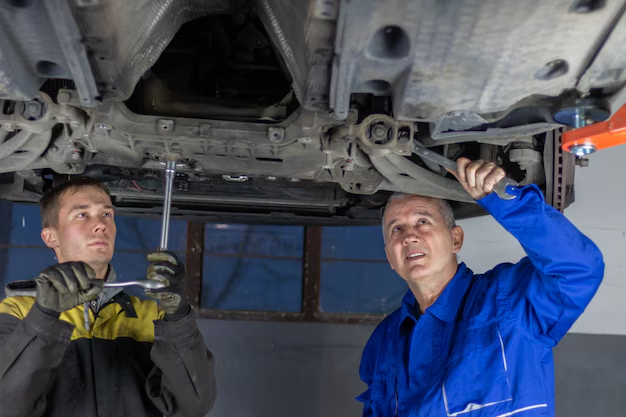
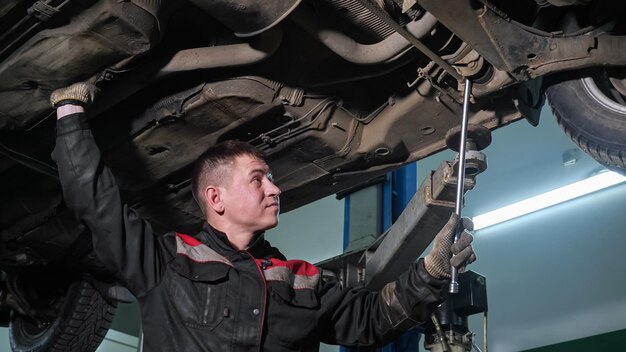
Routine inspections by professionals, like those at Total Auto Services in Houston, can help identify potential issues before they escalate. They can provide expert advice on whether components need replacement or adjustment.
Benefits of Professional Service
While DIY maintenance is possible, professional services ensure that all aspects of your suspension are thoroughly checked. Professionals have the expertise and tools to diagnose and fix issues that might not be apparent to the average driver.
By choosing professional services, you ensure that every component is inspected with a trained eye, preventing potential failures that could lead to costly repairs or accidents. The peace of mind that comes from knowing your vehicle is in expert hands is invaluable.
Local Expertise: Why Choose Total Auto Services
Choosing a reliable service provider is essential for maintaining your vehicle’s suspension. Total Auto Services in Houston offers expert care and personalized service to keep your vehicle running smoothly.
Tailored Solutions for Houston Drivers
Houston’s unique driving conditions require tailored solutions. Whether it’s dealing with the city’s heat or navigating its bustling streets, Total Auto Services provides repairs and maintenance specifically designed for local drivers.
By understanding the specific challenges faced by Houston drivers, such as intense heat and frequent stop-and-go traffic, Total Auto Services can offer solutions that keep your vehicle performing at its best.
Customer Satisfaction and Trust
At Total Auto Services, customer satisfaction is a priority. With a track record of trust and excellence, they ensure that your vehicle’s suspension needs are met with the highest standards of care.
Remember, a well-maintained suspension system not only enhances comfort and control but also ensures your safety on the road. If you’ve noticed any signs of suspension trouble, don’t hesitate to reach out to Total Auto Services in Houston for expert assistance. By keeping your suspension in top condition, you invest in the longevity and safety of your vehicle, ultimately enhancing every drive.

