Brakes are one of the most important safety systems on your vehicle. They give you the ability to stop quickly, avoid accidents, and maintain control in emergencies. Yet many drivers don’t realize that brakes aren’t designed to last forever. Every part of the system—pads, rotors, and brake fluid—has its own service timeline. Neglecting these components doesn’t just compromise safety; it can also lead to more expensive repairs down the road.
If you’ve ever wondered when to replace your brake pads, resurface rotors, or flush your brake fluid, this guide will help you understand the basics. We’ll walk through what each part does, the signs of wear, and how often you should schedule service. By the end, you’ll know exactly how to keep your brakes operating at their best.
Why Brake Maintenance Matters
Brakes endure a lot of stress every time you drive. Stop-and-go traffic in Houston, highway commutes, or off-road trails all demand different things from your braking system. Over time, heat, friction, and fluid breakdown weaken performance. The good news is that with regular inspections and timely service, you can prevent sudden failures and keep your vehicle safe.
Staying on top of brake repair in Houston also helps:
- Maintain reliable stopping power in any condition.
- Avoid costly damage to rotors and calipers caused by worn pads.
- Extend the lifespan of the entire braking system.
- Keep your car performing the way it was designed.
Brake Pads: Your First Line of Defense
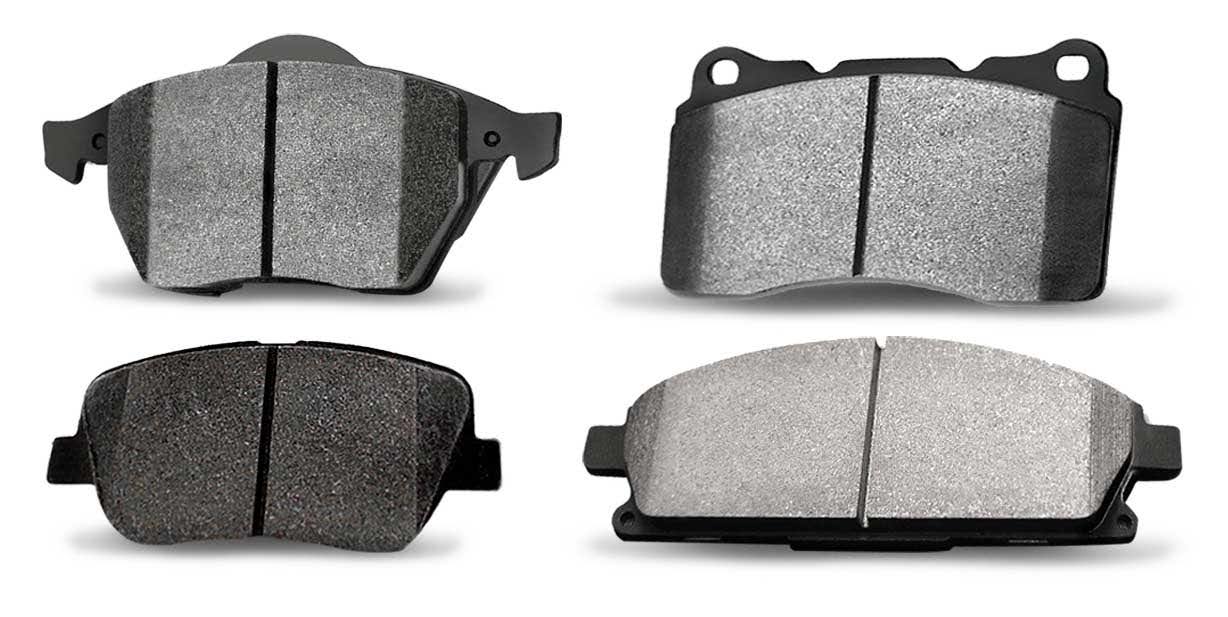
Brake pads are the components that press against your rotors to slow the car. Every time you hit the brake pedal, it creates friction and wears down slightly.
When to Replace Brake Pads
On average, brake pads last between 25,000 and 70,000 miles, depending on your driving style, vehicle type, and conditions. City driving with frequent stops usually wears them out faster than highway driving.
Signs Your Brake Pads Need Attention
- A squealing or screeching sound when braking.
- Grinding noises, which indicate the pad is worn through and metal is contacting the rotor.
- A brake pedal that feels less responsive.
- Visible thinning of the pad material when inspected.
Ignoring worn brake pads risks damaging the rotors, which are more expensive to repair or replace. Scheduling timely brake pad replacement is one of the simplest and most cost-effective ways to keep your car safe.
Rotors: The Heavy Lifters of Braking
Rotors, or brake discs, work hand in hand with pads. Every time the pads clamp down, heat and friction are generated on the rotor’s surface. While rotors are made of tough metal, they aren’t immune to wear.
Resurfacing vs. Replacing Rotors
In some cases, rotors can be resurfaced, which means removing a thin layer of metal to restore a smooth, even surface. This process helps eliminate grooves or uneven wear. However, rotors can only be resurfaced if they remain above the manufacturer’s minimum thickness.
When rotors become too thin, warped, or cracked, replacement is necessary. Continuing to drive on bad rotors reduces stopping power and creates vibrations when braking.
Service Timeline for Rotors
Rotors typically last between 50,000 and 70,000 miles, though heavy driving, towing, or mountain driving can shorten their lifespan. At every brake inspection, a technician will measure the rotor thickness to determine if resurfacing or replacement is needed.
Warning Signs of Rotor Trouble
- A steering wheel that vibrates or shakes when braking.
- Longer stopping distances.
- Pulsation in the brake pedal.
- Deep grooves visible on the rotor surface.
Rotor resurfacing or replacement should always be done in pairs (both front or both rear) to maintain even braking.
Brake Fluid: The Hidden Hero
Unlike pads and rotors, brake fluid doesn’t create friction, but it’s equally vital. Brake fluid transfers the force from your foot on the pedal to the brake calipers that squeeze the pads. Without fresh, clean fluid, your brakes won’t deliver the stopping power you expect.
Why Brake Fluid Breaks Down
Brake fluid is hygroscopic, meaning it absorbs moisture over time. Even a small amount of water contamination reduces its boiling point, leading to brake fade or spongy pedals under hard braking. In Houston’s humid climate, moisture buildup can happen faster than in dry areas.
When to Flush Brake Fluid
Most manufacturers recommend a brake fluid flush every 2 to 3 years, or about every 30,000 miles. Regular testing during inspections can confirm whether your fluid has absorbed too much moisture.
Symptoms of Bad Brake Fluid
- A soft or spongy brake pedal.
- Reduced braking performance, especially during long drives or downhill braking.
- Brake warning light illuminated on the dashboard.
- Dark or dirty-looking brake fluid in the reservoir.
A professional brake fluid flush restores the system with clean fluid, removes air bubbles, and protects internal components from corrosion.
Putting It All Together: The Brake Service Timeline
To keep things simple, here’s a breakdown of the typical service schedule for each brake component:
- Brake Pad Replacement: Every 25,000–70,000 miles, or sooner if symptoms appear.
- Rotor Resurfacing/Replacement: Every 50,000–70,000 miles, depending on thickness and condition.
- Brake Fluid Flush: Every 2–3 years, or approximately every 30,000 miles.
Keep in mind these are general guidelines. Driving conditions, habits, and vehicle type all influence how often you’ll need service. That’s why regular inspections are critical. A certified mechanic can give you a clear picture of your brakes’ condition and recommend the right service at the right time.
The Cost of Skipping Brake Service
Delaying brake maintenance can lead to a chain reaction of problems. For example, worn pads grind into the rotors, causing deep grooves that require replacement instead of resurfacing. Old brake fluid can corrode lines and calipers, resulting in expensive repairs. And faulty rotors reduce stopping power, putting you and others at risk.
By comparison, timely brake pad replacement, rotor resurfacing, and fluid flushes are relatively affordable. Think of them as an investment in safety and peace of mind.
Trust Total Auto Services for Brake Repair in Houston
At Total Auto Services, we know how important reliable brakes are for every driver. Whether you’re navigating Houston traffic, hauling equipment, or taking your truck off-road, your braking system needs to be ready for anything.
Our certified technicians provide comprehensive brake inspections, brake pad replacement, rotor resurfacing, and brake fluid flushes using high-quality parts. Every service is backed by our 24-month TechNet warranty on parts and labor, giving you confidence long after you leave our shop. Plus, with financing options through Synchrony and Snap Finance, you can get the repairs you need without delay.
Don’t wait until you hear grinding or feel vibrations to get your brakes checked. Schedule your brake repair in Houston today with Total Auto Services and keep every stop smooth, safe, and reliable.