Modern vehicles rely heavily on technology to enhance safety and driving comfort. Among the most important innovations is Advanced Driver-Assistance Systems (ADAS), which help prevent accidents and make driving more efficient. However, to keep these systems functioning correctly, regular ADAS calibration is essential.
This guide explains what ADAS calibration is, why it matters, and when drivers in Houston should schedule it.
Understanding ADAS and Its Components
What Is ADAS?
ADAS, or Advanced Driver-Assistance Systems, refers to electronic systems that assist drivers with key functions such as braking, steering, and parking. Using sensors, radar, and cameras, these systems monitor the environment and provide alerts or automated actions to reduce the risk of accidents.
Common ADAS Features
Some of the most common ADAS technologies include:
- Lane departure warning and lane keep assist
- Adaptive cruise control
- Blind spot monitoring
- Parking assistance
- Automatic emergency braking
Each of these systems depends on precise sensor and camera alignment. Even slight misalignments can affect accuracy, which is why proper calibration is critical.
Why ADAS Calibration Is Essential
- Ensures Driver and Passenger Safety
Calibration ensures that your ADAS sensors and cameras interpret the road correctly, allowing them to provide accurate alerts and automatic responses. Miscalibrated systems may fail to detect vehicles, pedestrians, or lane markers, increasing the risk of accidents. - Maintains Vehicle Performance
Accurate calibration preserves system performance and response time. Events like minor collisions, windshield replacements, suspension repairs, or wheel alignments can shift sensors and cameras slightly out of position, making recalibration necessary. Costs typically range from $150 to $600, depending on the system’s complexity. - Complies with Manufacturer Specifications
Automakers require specific calibration standards to maintain warranty coverage and ensure safety compliance. Routine calibration verifies that your vehicle meets these standards and operates exactly as the manufacturer intended.
When You Should Schedule ADAS Calibration
After Windshield Replacement:
Whenever your windshield is replaced, the cameras mounted on it must be recalibrated. Even a small shift can affect their field of view and accuracy.
After an Accident or Minor Collision:
Impacts—even minor ones—can knock sensors or cameras out of alignment. Having your ADAS recalibrated afterward ensures all safety systems continue functioning properly.
After Suspension or Wheel Alignment Work:
Suspension changes and wheel alignments can alter vehicle height and angles, impacting how sensors read the road. Calibration after these services helps restore proper performance.
As Part of Regular Maintenance:
In Houston’s variable climate, regular inspections help maintain ADAS accuracy. Temperature changes and humidity can affect sensor performance over time, making preventive calibration a smart choice.
The ADAS Calibration Process
- Initial Assessment
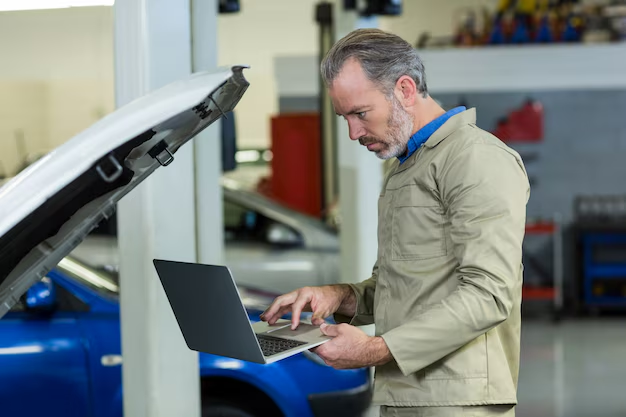
Technicians start by inspecting sensors, cameras, and related components for damage or misalignment. Diagnostic tools identify which systems require recalibration. - Static and Dynamic Calibration
- Static calibration is performed in a controlled indoor environment using specialized targets and equipment.
- Dynamic calibration involves driving the vehicle under specific conditions so the sensors can learn and adapt in real time.
Both processes are performed according to the manufacturer’s specifications for your vehicle model.
- Post-Calibration Testing
After calibration, the technician performs a series of tests to confirm that every ADAS feature functions accurately and safely before returning the vehicle to you.
Choosing the Right ADAS Calibration Provider in Houston
Expert Technicians
Calibration requires precision and advanced training. At Total Auto Services, our technicians are highly experienced in ADAS diagnostics and use factory-approved procedures for every make and model.
Advanced Tools and Technology
We use the latest diagnostic and calibration equipment to deliver accurate results. Our investment in technology ensures that every calibration meets manufacturer standards.
Trusted Reputation
With over 40 years of service in Houston, Total Auto Services has earned a reputation for quality and reliability. Our work is backed by a 24-month warranty on parts and labor through TechNet, ensuring complete confidence in your repairs.
Common ADAS Calibration Issues and Their Fixes
- Lane Assist Malfunction: Often caused by camera misalignment; recalibration restores accuracy.
- Camera Errors: Dirt, debris, or windshield replacement can interfere with calibration. Cleaning and recalibrating corrects these issues.
- Sensor Malfunctions: Damaged or disconnected sensors may require recalibration or replacement to restore functionality.
Our team at Total Auto Services can diagnose these issues quickly and perform precise recalibration to get your systems back on track.
Keep Your ADAS Reliable with Preventive Care
To maintain your ADAS systems between calibrations:
- Clean cameras and sensors regularly to prevent dirt buildup.
- Check for software updates from your vehicle’s manufacturer.
- Schedule inspections at least once a year or after any collision or windshield replacement.
These small steps can greatly improve the longevity and reliability of your vehicle’s safety systems.

Drive with Confidence — Schedule Your ADAS Calibration Today
At Total Auto Services, we take your safety seriously. Our certified technicians use advanced calibration tools and diagnostic systems to ensure your ADAS performs with accuracy and reliability. Whether you’ve had a windshield replaced, a minor collision, or a suspension repair, we’ll make sure your vehicle’s safety systems are precisely tuned for Houston’s driving conditions.
Schedule your ADAS calibration appointment with Total Auto Services today and drive knowing your vehicle is operating safely and correctly.
Book your appointment online or call us today to get started.